



Environmental Pollutants
Environmental Contaminants
Environmental pollutants are any physical, chemical, biological, or radiological substance or matter that has an adverse effect on air, water, soil, or living organisms.
All Product Categories
-
Productos relacionados con Environmental Pollutants (1423)
Productos relacionados con (1423)

-
PEG300
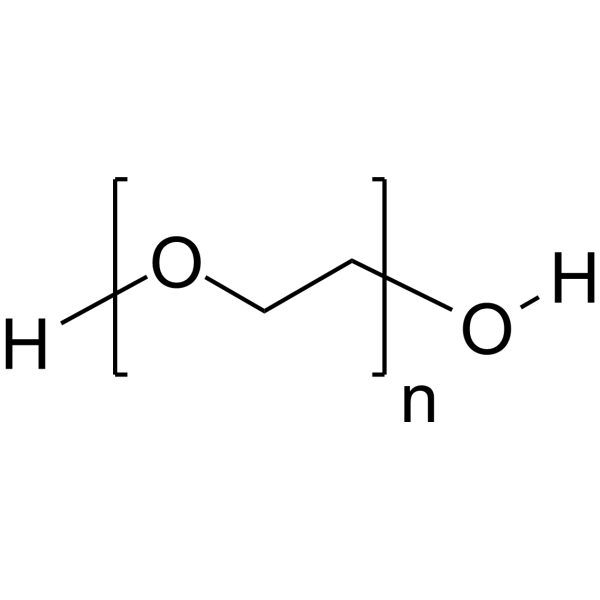 0 ImagesReferencia número: HY-Y0873No. CAS: 25322-68-3Synonyms: Polyethylene glycol 300PEG300 (Polyethylene glycol 300), a neutral polymer of molecular weight 300, is a water-soluble, low immunogenic and biocompatible polymer formed by repeating units of ethylene glycol.
-
Dimethyl sulfoxide, meets analytical specification of Ch.P.
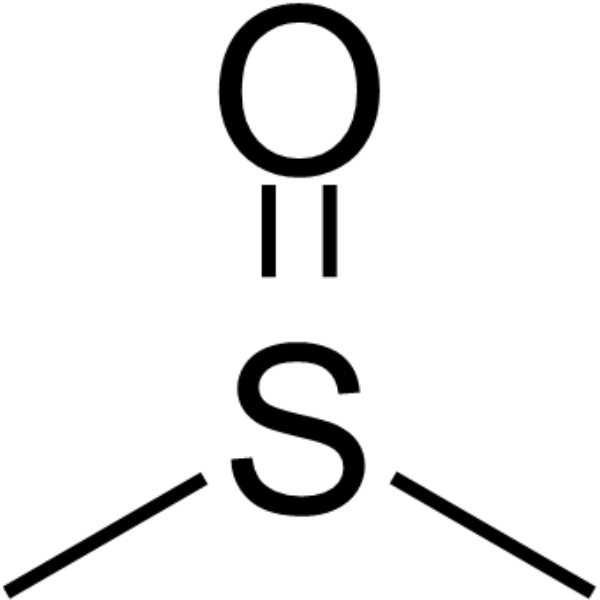 0 ImagesSynonyms: DMSO, meets analytical specification of Ch.P.Dimethyl sulfoxide (DMSO), meets analytical specification of Ch.P. is an aprotic solvent that dissolves polar and non-polar compounds, including water-insoluble therapeutic and toxic agents. Dimethyl sulfoxide (DMSO) has a strong affinity for water and can rapidly penetrate or enhance the penetration of other substances into biological membranes. Dimethyl sulfoxide also has potential free radical scavenging and anticholinesterase effects and may affect coagulation activity. Dimethyl sulfoxide also induces histamine release from mast cells but is thought to have low systemic toxicity. Dimethyl sulfoxide also exhibits antifreeze and antibacterial properties.
MCE provides Dimethyl sulfoxide that complies with the inspection standards (Ch.P) of Part 4 of the Chinese Pharmacopoeia (2020 Edition). Amicrobic, low endotoxin, can be used in various biochemical experiments such as drug dissolution.


-
Dimethyl sulfoxide
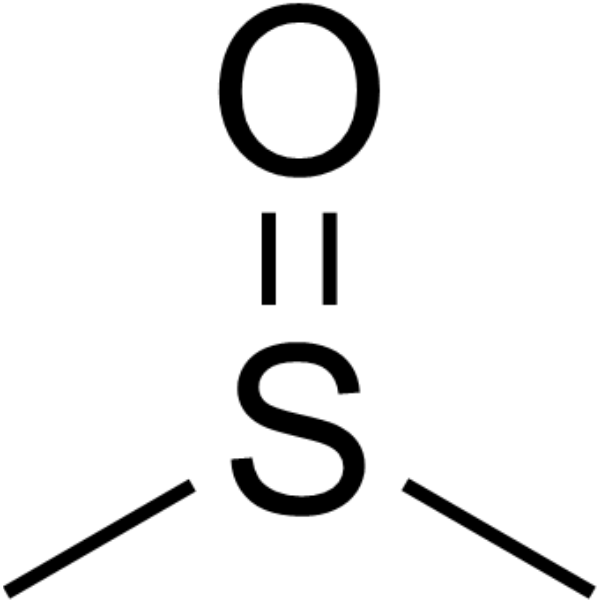 0 ImagesDimethyl sulfoxide (DMSO) is an aprotic solvent that can dissolve water-insoluble therapeutic and toxic agents. Dimethyl sulfoxide (DMSO) has a strong affinity for water and has the ability to rapidly penetrate or enhance the penetration of other substances through biological membranes. Dimethyl sulfoxide also has potential free radical scavenging and anticholinesterase effects and may affect coagulation activity. Dimethyl sulfoxide also induces histamine release from mast cells but is thought to have low systemic toxicity.
Low endotoxin, can be used in various biochemical experiments such as drug dissolution.
-
Ethylenediaminetetraacetic acid
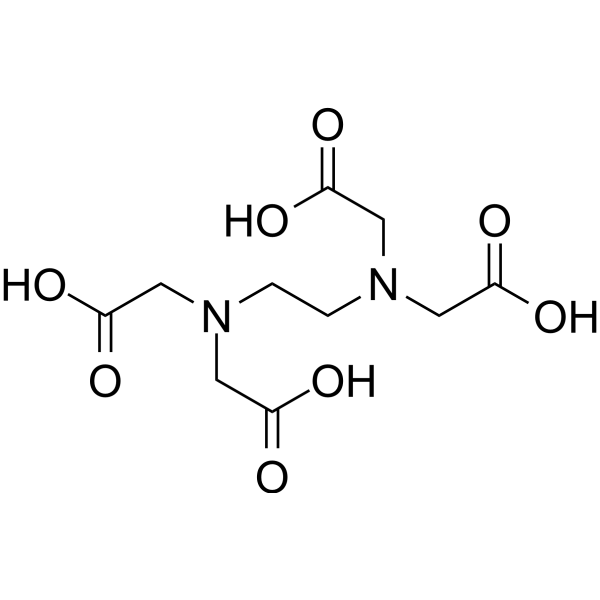 0 ImagesEthylenediaminetetraacetic acid (EDTA) is a kind of metal chelating agent (binds to bivalent and trivalent metal cations, including calcium). Ethylenediaminetetraacetic acid has antibacterial, anti-inflammatory, antioxidant, anti-hypercalcemia and anticoagulant activities. Ethylenediaminetetraacetic acid decreases the metal ion-catalyzed oxidative damage to proteins, and allows maintenance of reducing environment during protein purification. Ethylenediaminetetraacetic acid can alleviate the liver fibrosis. Ethylenediaminetetraacetic acid can be used for coronary artery disease and neural system disease research.
-
Poloxamer 188
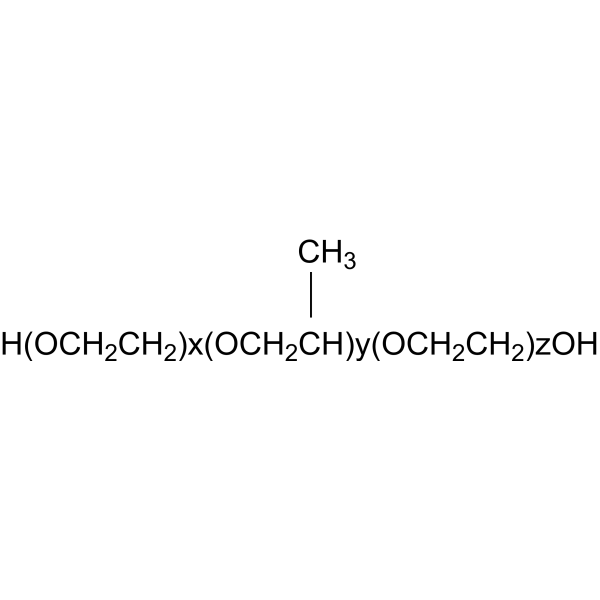 0 ImagesPoloxamer 188 is a nonionic linear copolymer with surfactant properties. Poloxamer 188 exhibits anti-thrombotic, anti-inflammatory, and cytoprotective activities in various tissue injury models. Poloxamer 188 can be used for drug delivery.
-
Palmitic acid
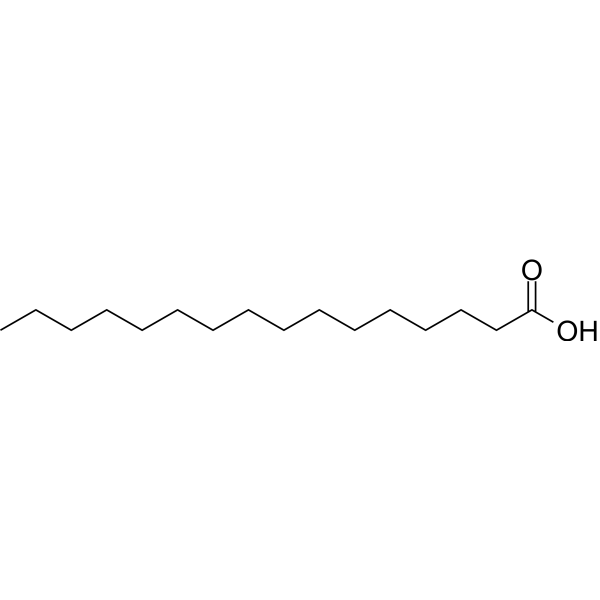 0 ImagesPalmitic acid is a long-chain saturated fatty acid commonly found in both animals and plants. PA can induce the expression of glucose-regulated protein 78 (GRP78) and CCAAT/enhancer binding protein homologous protein (CHOP) in in mouse granulosa cells. Palmitic acid is used to establish a cell steatosis model.
-
Lactic acid sodium (60% w/w in water)
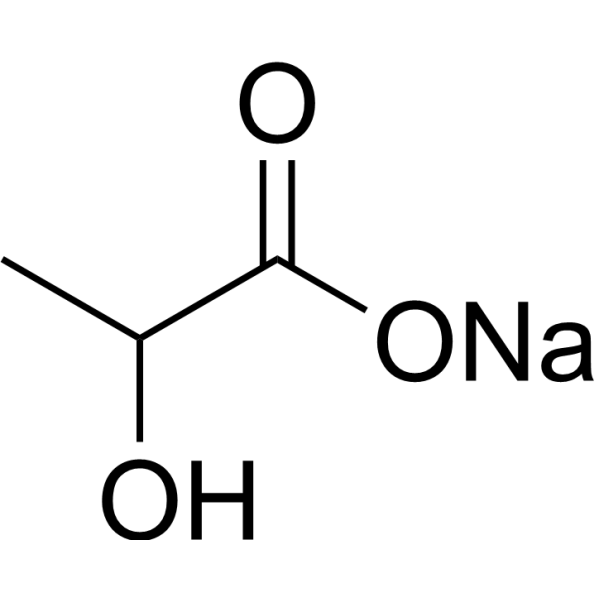 0 ImagesSynonyms: DL-Lactic acid sodium; E-270 sodiumLactic acid (DL-Lactic acid) sodium (60% w/w in water) is a hydroxycarboxylic acid receptor 1 (HCAR1) activator and an epigenetic modulator inducing lysine residues lactylation. Lactic acid sodium (60% w/w in water) is a glycolysis end-product, bridging the gap between glycolysis and oxidative phosphorylation. Lactic acid sodium (60% w/w in water) is an oncometabolite and has immune protective role of lactate in anti-tumor immunity. Lactic acid sodium (60% w/w in water) also has antimicrobial activity, which can be used as a food preservative.
This product has a content (w/w) of 60%, and 1 mL of the system contains 798 mg of Lactic acid sodium, i.e., a concentration of 798 mg/mL (i.e., 7.12 M).
-
Lactic acid
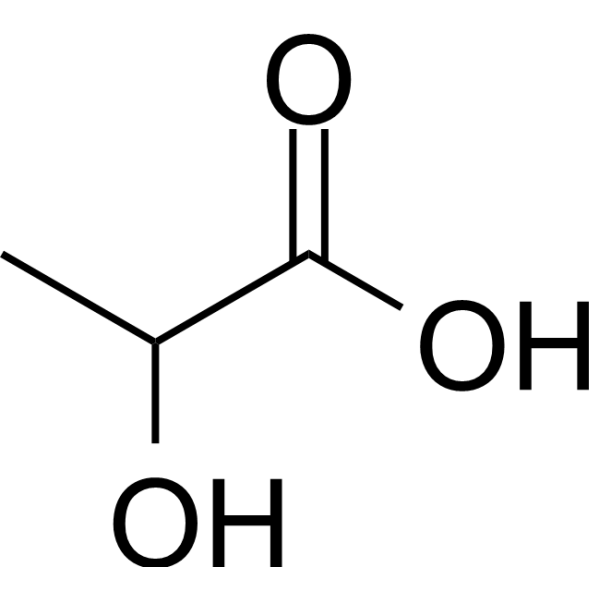 0 ImagesLactic acid (DL-Lactic acid) is a hydroxycarboxylic acid receptor 1 (HCAR1) activator and an epigenetic modulator inducing lysine residues lactylation. Lactic acid is a glycolysis end-product, bridging the gap between glycolysis and oxidative phosphorylation. Lactic acid is an oncometabolite and has immune protective role of lactate in anti-tumor immunity. Lactic acid also has antimicrobial activity, which can be used as a food preservative.
-
Rotenone
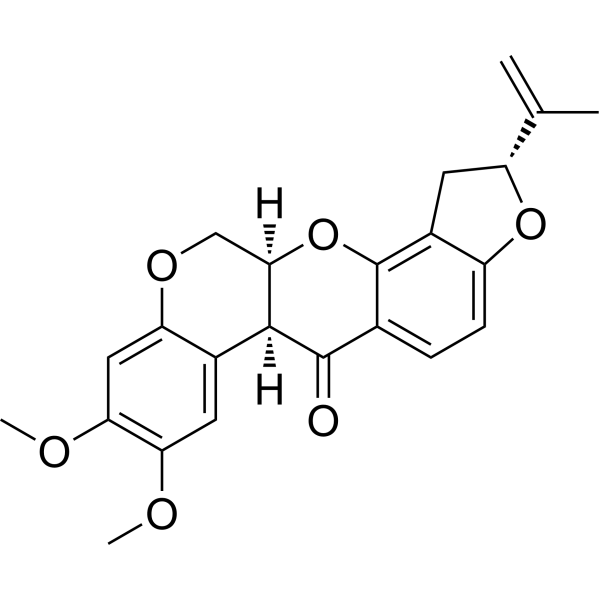 0 ImagesRotenone is a mitochondrial electron transport chain complex I inhibitor. Rotenone induces apoptosis through enhancing mitochondrial reactive oxygen species production.
-
PEG400
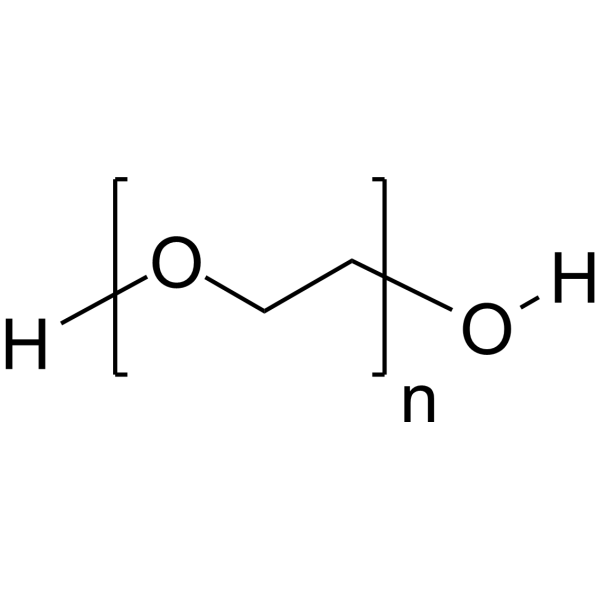 0 ImagesReferencia número: HY-Y0873ANo. CAS: 25322-68-3Synonyms: Polyethylene glycol 400PEG400 is a strongly hydrophilic polyethylene glycol used as an excellent solvent for a large number of substances. PEG400 is widely used in a variety of pharmaceutical formulations.
-
Nicotinamide
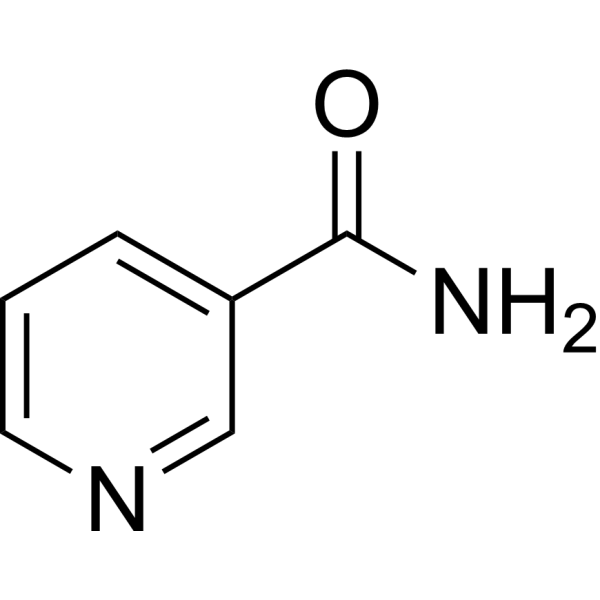 0 ImagesSynonyms: Niacinamide; Nicotinic acid amideNicotinamide is a form of vitamin B3 or niacin. Nicotinamide Hydrochloride inhibits SIRT2 activity (IC50: 2 μM). Nicotinamide also inhibits SIRT1. Nicotinamide increases cellular NAD+, ATP, ROS levels. Nicotinamide inhibits tumor growth and improves survival. Nicotinamide also has anti-HBV activity.
-
Methyl-β-cyclodextrin
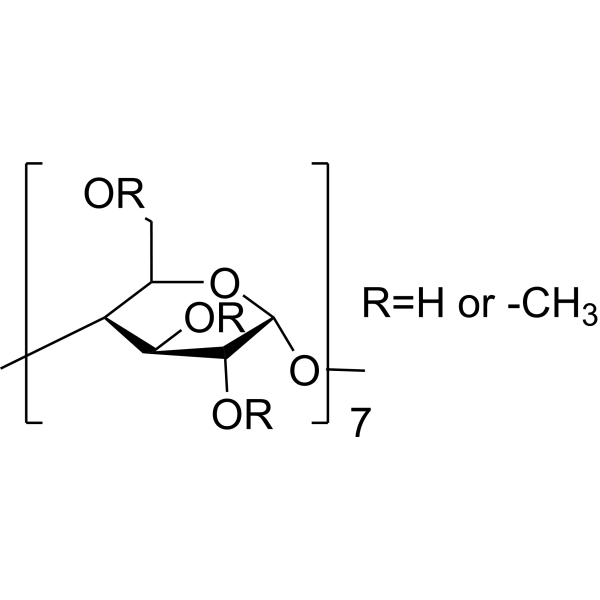 0 ImagesSynonyms: Methyl-beta-cyclodextrinMethyl-β-cyclodextrin (Methyl-beta-cyclodextrin) is a cyclic heptasaccharide used to deliver hydrophobic agents based on its property of solubilizing non-polar substances. Methyl-β-cyclodextrin is also extensively used as a cholesterol-depleting reagent. Methyl-β-cyclodextrin strongly reduces clathrin-dependent endocytosis. Methyl-β-cyclodextrin blocks cell migrasome formation.
-
Biotin
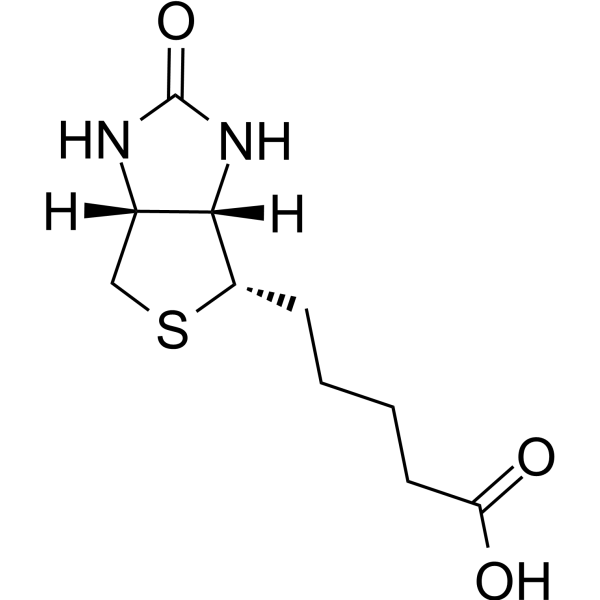 0 ImagesSynonyms: Vitamin B7; Vitamin H; D-BiotinBiotin, vitamin B7 and serves as a coenzyme for five carboxylases in humans, involved in the synthesis of fatty acids, isoleucine, and valine, and in gluconeogenesis. Biotin is necessary for cell growth, the production of fatty acids, and the metabolism of fats and amino acids.
-
Neomycin sulfate
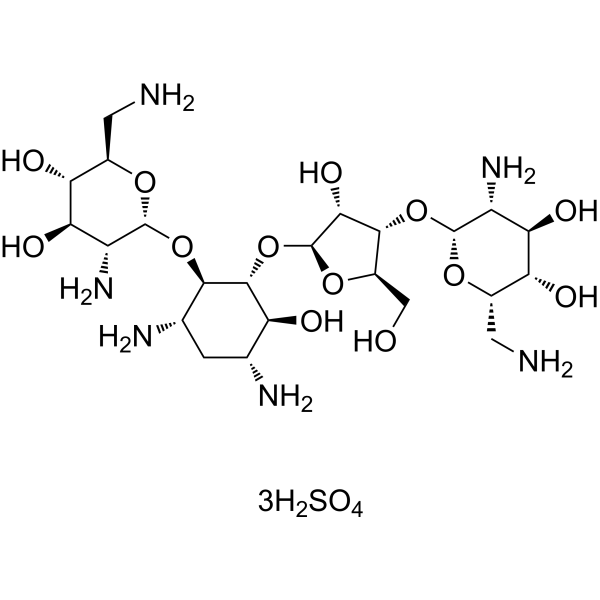 0 ImagesNeomycin sulfate, an aminoglycoside antibiotic, exerts antibacterial activity through irreversible binding of the nuclear 30S ribosomal subunit, thereby blocking bacterial protein synthesis. Neomycin sulfate is a known phospholipase C (PLC) inhibitor. Neomycin sulfate potently inhibits both the nuclear translocation of angiogenin and angiogenin-induced cell proliferation and angiogenesis. Neomycin sulfate inhibits IP3-mediated Ca2+ release, MgATP-dependent Ca2+ uptake, and electrical excitation-evoked skeletal muscle Ca2+ transients. Neomycin sulfate depletes gut microbiota in specific mouse models, causes hearing impairment, and kidney damage with prolonged exposure. Neomycin sulfate can be used for the research of cancer.



